ICTQual Level 4 Diploma for Associate Ambulance Practitioners
The ICTQual Level 4 Diploma for Associate Ambulance Practitioners prepares learners with advanced knowledge and practical skills in pre-hospital emergency care, patient assessment, trauma management, and ambulance service operations for effective clinical support roles.
Course Features
This qualification is designed by ICTQual AB to develop competent associate ambulance practitioners through structured theoretical learning and practical emergency care competencies aligned with pre-hospital service standards.
Accredited ICTQual AB qualification
Focus on pre-hospital emergency care practice
Blended theoretical and practical learning approach
Ambulance service operational knowledge development
Patient assessment and trauma management training
Communication and professional conduct in healthcare environments
About This Course
The ICTQual Level 4 Diploma for Associate Ambulance Practitioners is a vocational qualification aimed at individuals seeking to work in emergency medical and pre-hospital care environments. It equips learners with the essential skills required to assist ambulance crews in responding to urgent and emergency medical situations. The course provides structured training in patient assessment, emergency response principles, trauma care, and medical emergency management. It also develops professional communication, teamwork, and ethical practice required in fast-paced healthcare environments.
Emergency Medical Services (EMS) principles and operations
Systematic patient assessment and triage decision-making
Trauma and medical emergency management techniques
Safe patient handling and transport procedures
Clinical communication and documentation standards
Professional ethics and patient safety compliance
What You'll Learn
This course develops core competencies required to support ambulance services and deliver safe, effective pre-hospital care in emergency situations.
Apply emergency care principles including scene safety and patient assessment
Manage trauma cases including bleeding control and injury stabilization
Respond to medical emergencies such as cardiac and respiratory conditions
Demonstrate effective communication in clinical and emergency environments
Apply safe patient handling, transport, and ambulance procedures
Understand professionalism, ethics, and patient confidentiality standards
Who Should Attend
This qualification is designed for individuals aiming to begin or advance a career in ambulance services, emergency care, or pre-hospital healthcare support roles.
Aspiring associate ambulance practitioners
Healthcare support workers in emergency settings
First aiders seeking professional advancement
Emergency care volunteers and responders
Individuals transitioning into ambulance services
Healthcare professionals seeking pre-hospital care knowledge
Entry Requirements
Learners are expected to meet minimum academic, age, and language requirements to ensure safe and effective participation in emergency care training.
Minimum age of 18 years
Level 3 qualification in healthcare or related field preferred
Assessments
Assessment is designed to evaluate both theoretical understanding and practical competence in emergency care and ambulance practice scenarios.
Written assignments and knowledge-based assessments
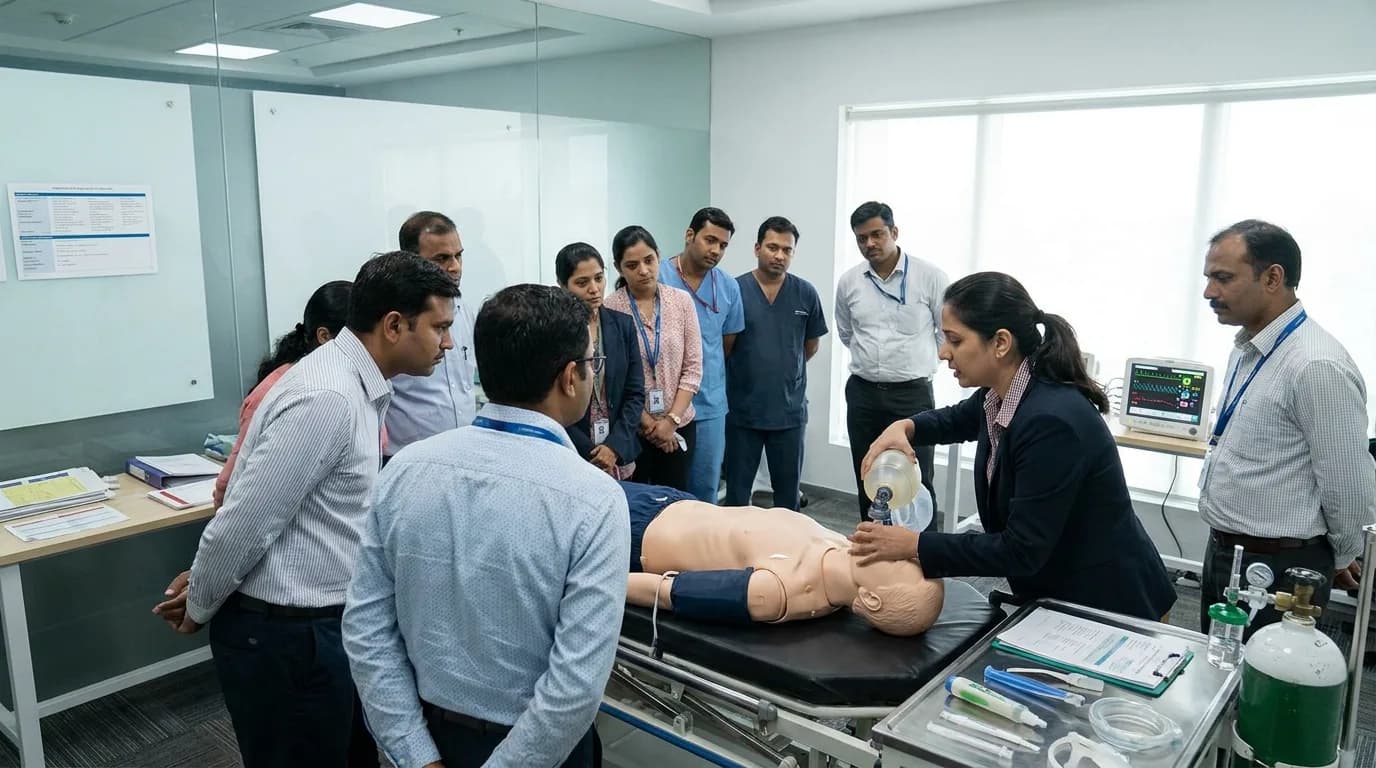
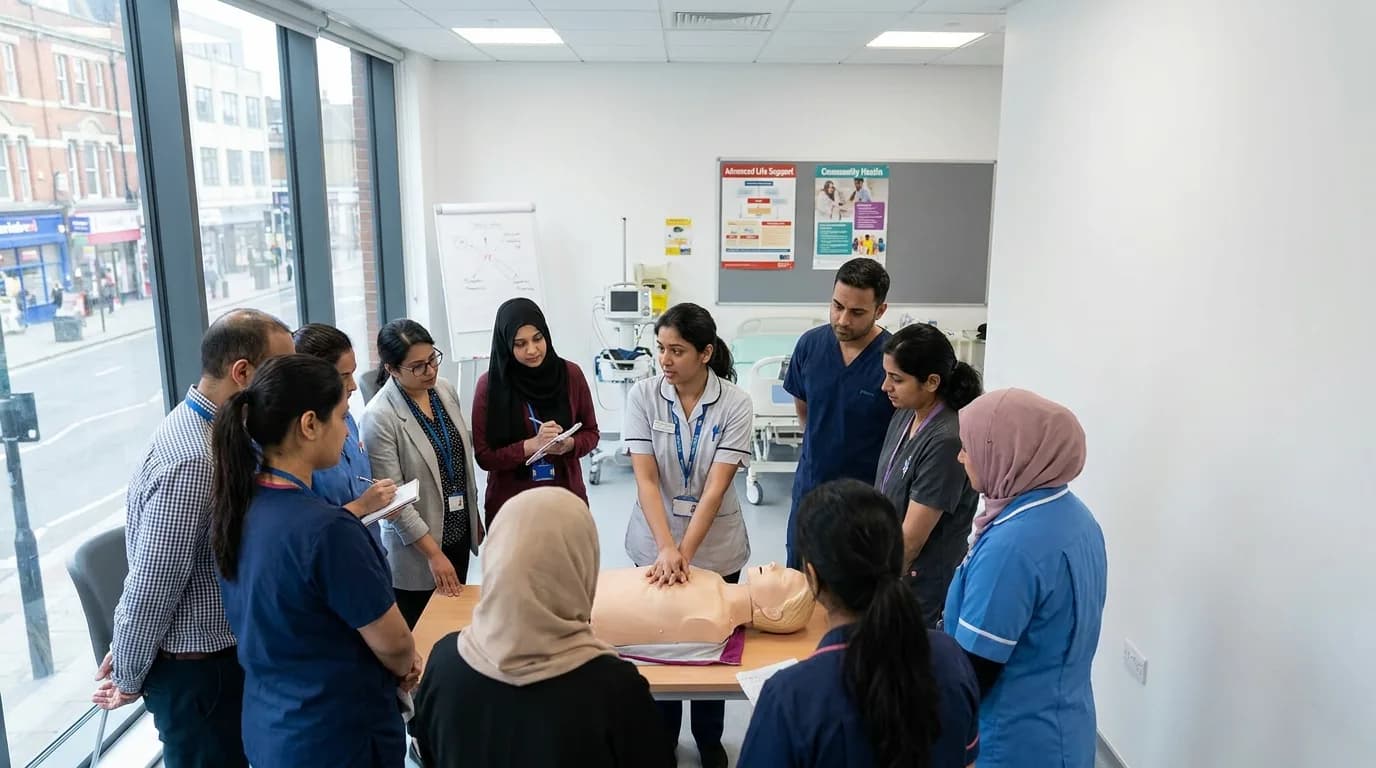
Practical skills demonstration in simulated environments
Case study analysis and scenario-based evaluation
Continuous tutor observation and performance review
Progression
This qualification supports progression into advanced healthcare roles and further study in emergency and pre-hospital care disciplines.
Registered Paramedic training programmes
Advanced pre-hospital care qualifications
Emergency and urgent care clinical roles
Healthcare leadership and ambulance service roles
Curriculum
- Role and structure of Emergency Medical Services (EMS)
- Scene safety, triage, and rapid patient assessment
- Airway management and oxygen therapy
- Cardiovascular emergency recognition and CPR procedures
- Neurological and environmental emergency response
- Trauma assessment and prioritisation techniques
- Bleeding control and shock management
- Spinal immobilisation procedures
- Management of head, neck, and musculoskeletal injuries
- Cardiac and respiratory emergency interventions
- Diabetic emergency recognition and management
- Allergic reaction and anaphylaxis response
- Neurological emergency management including seizures and stroke care
- Effective communication in emergency healthcare environments
- Ethical and professional conduct in ambulance services
- Cultural awareness and patient-centred care
- Stress management and teamwork in high-pressure situations
Application Form
Apply Now For This Course
An adviser will review your eligibility for ICTQual Level 4 Diploma for Associate Ambulance Practitioners and reply within 1–2 working days.
Course includes:
 LevelLevel 4
 Awarding bodyICTQual AB
 Lessons17
- CertificationYes

Related Diplomas
More courses in Prehospital Care that may suit a similar workplace role.

Featured Courses
Popular programmes professionals often explore next.