ICTQual Level 3 Award in Work in Confined Space
ICTQual Level 3 Award in Work in Confined Space develops knowledge and practical skills for safe confined space entry, hazard control, equipment use, and emergency procedures.
Course Features
This ICTQual AB Level 3 Award provides focused confined space safety training through theoretical instruction and practical exercises covering safe operations, hazard control, emergency preparedness, and correct use of safety equipment.
ICTQual AB Level 3 Award qualification
Designed for safe work in confined spaces
Covers hazard identification and risk assessment
Includes emergency procedures and rescue awareness
Develops correct use of safety equipment and PPE
Supports workplace safety culture and compliance
About This Course
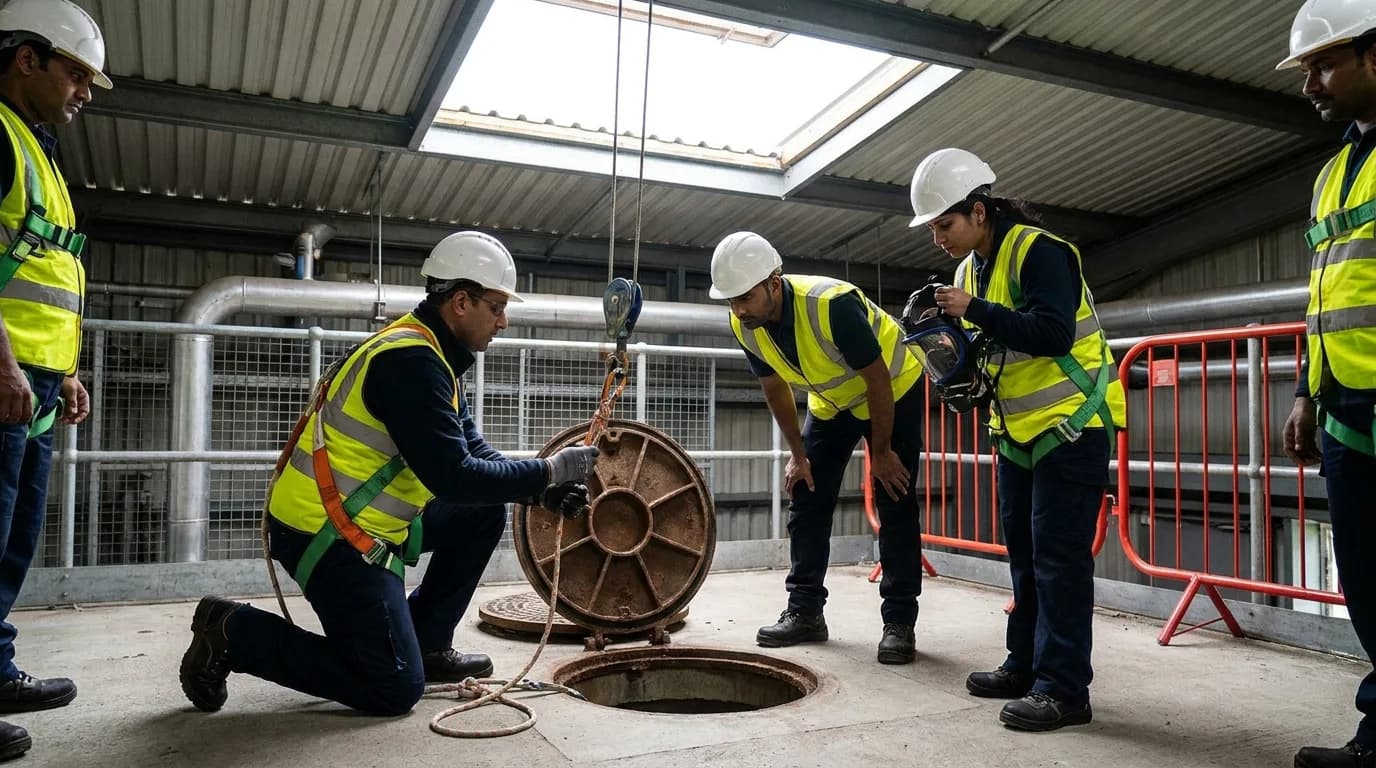
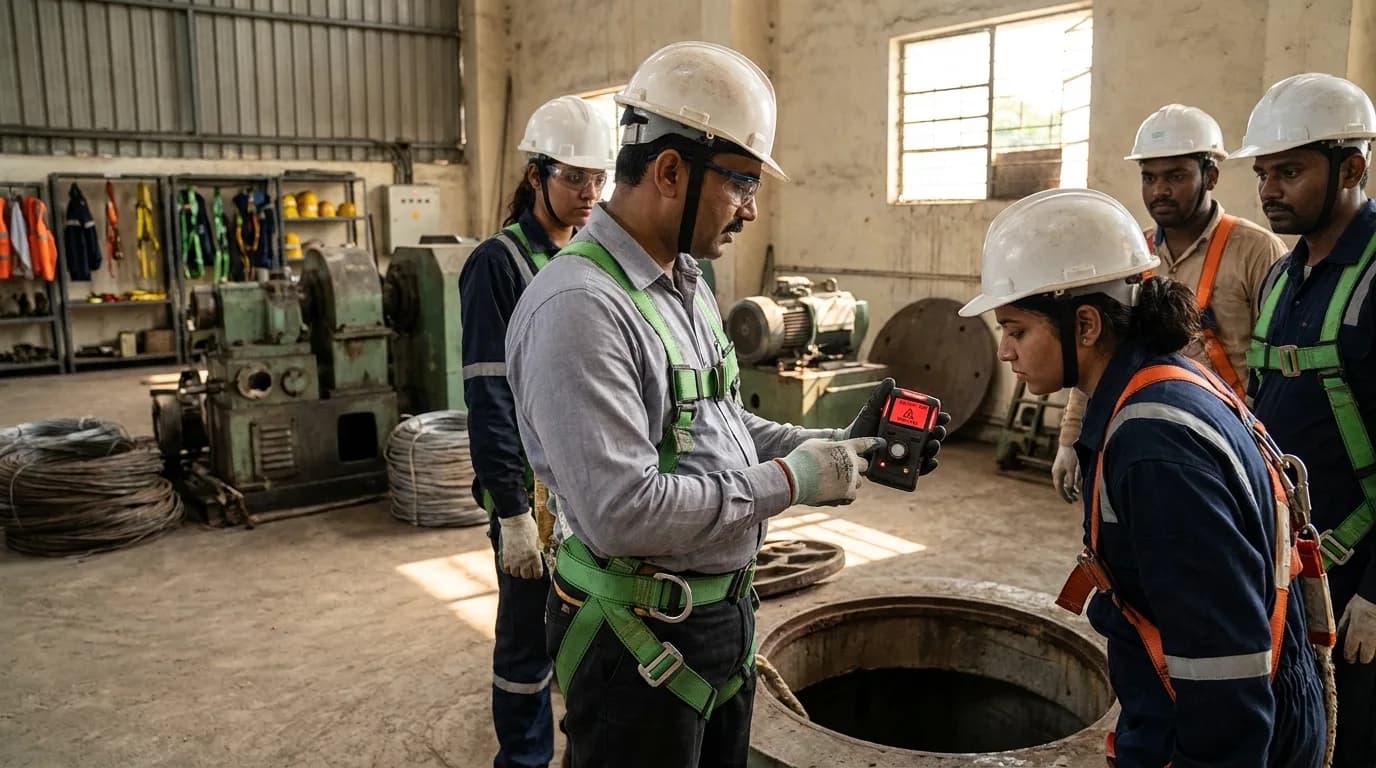
The ICTQual Level 3 Award in Work in Confined Space is designed to equip learners with the knowledge and practical understanding needed to work safely in confined spaces such as tanks, silos, tunnels, sewers, chambers, pits, and similar restricted environments. Confined spaces can present serious risks, including poor ventilation, hazardous substances, oxygen deficiency, fire or explosion hazards, flooding, engulfment, entrapment, and restricted access or exit. This course helps learners understand how to identify these hazards, assess risks, follow safe systems of work, and respond effectively to emergencies. The qualification supports workers, supervisors, and organisations by strengthening confined space safety competence and promoting a preventive approach to planning, entry control, monitoring, communication, and emergency preparedness.
Understand what makes an area a confined space
Recognise common confined space hazards and risks
Apply risk assessment principles before entry
Follow safe entry, work, and exit procedures
Use appropriate safety equipment and PPE
Respond correctly to emergency situations
What You'll Learn
Learners will develop the knowledge and practical awareness needed to perform confined space work safely, identify risks, follow control measures, use suitable equipment, and support emergency preparedness.
Define what constitutes a confined space according to industry standards and regulatory definitions
Identify common types of confined spaces found in workplace and industrial environments
Recognise confined space hazards including atmospheric, physical, chemical, biological, and operational hazards
Carry out basic confined space risk assessment and apply suitable control measures
Understand the correct use of safety equipment, monitoring equipment, ventilation systems, and PPE
Follow safe entry, exit, communication, and emergency procedures for confined space operations
Who Should Attend
This course is suitable for individuals who work in, enter, supervise, support, or manage activities involving confined spaces in industrial, construction, utilities, maintenance, oil and gas, manufacturing, and similar workplace environments.
Workers required to enter confined spaces
Maintenance and operations personnel
Construction and civil engineering workers
Safety officers and HSE representatives
Supervisors and team leaders responsible for confined space work
Emergency response, standby, and support personnel involved in confined space operations
Entry Requirements
Learners should have basic workplace safety awareness and be physically suitable for activities involving confined space work, practical exercises, PPE use, and emergency procedure awareness.
Basic understanding of workplace health and safety principles
Medical and physical fitness suitable for confined space training and practical participation
Assessments
Assessment is designed to confirm learners’ understanding of confined space safety principles and their ability to apply safe procedures through knowledge-based and practical evaluation.
Written knowledge assessment
Practical skills evaluation
Observation of safe entry, equipment use, and procedure application
Trainer-led questioning and scenario-based assessment
Progression
After completing this Level 3 Award, learners may progress to higher-level confined space, rescue, safety supervision, risk assessment, permit-to-work, emergency response, and occupational health and safety qualifications.
ICTQual confined space emergency rescue training
ICTQual work permit system and permit receiver training
Advanced confined space operations or supervisory training
Occupational health and safety qualifications at higher levels
Curriculum
- Definition of a confined space
- Common types of confined spaces including tanks, silos, tunnels, chambers, pits, sewers, vessels, and ducts
- Characteristics of confined spaces including restricted entry, restricted exit, and lack of continuous occupancy
- Reasons confined spaces create higher workplace safety risks
- Roles and responsibilities of entrants, attendants, supervisors, and emergency support personnel
- Importance of planning before confined space entry
- Atmospheric hazards including oxygen deficiency, oxygen enrichment, toxic gases, vapours, and fumes
- Flammable and explosive atmospheres
- Poor ventilation and restricted airflow
- Physical hazards including slips, trips, falls, heat, noise, moving machinery, and restricted movement
- Engulfment, flooding, drowning, entrapment, and asphyxiation hazards
- Chemical, biological, and environmental hazards in confined spaces
- Purpose of confined space risk assessment
- Identifying hazards before entry
- Assessing likelihood and severity of confined space risks
- Applying hierarchy of control measures
- Eliminating unnecessary confined space entry where possible
- Controlling hazards through isolation, cleaning, purging, ventilation, monitoring, and supervision
- Confined space entry planning
- Permit-to-work requirements for confined space entry
- Isolation of mechanical, electrical, hydraulic, pneumatic, chemical, and process energy sources
- Lockout, tagout, and verification of isolation
- Safe entry and exit procedures
- Communication arrangements between entrants and attendants
- Selection and use of suitable personal protective equipment
- Respiratory protective equipment and breathing apparatus awareness
- Gas detection and atmospheric monitoring equipment
- Ventilation equipment and air-moving systems
- Harnesses, lifelines, retrieval equipment, and access equipment
- Inspection, limitations, and correct use of confined space safety equipment
- Pre-entry checks and authorisation
- Continuous monitoring during confined space work
- Maintaining safe communication during operations
- Emergency arrangements before entry begins
- Raising the alarm and responding to confined space emergencies
- Evacuation, rescue awareness, and post-incident reporting
Application Form
Apply Now For This Course
An adviser will review your eligibility for ICTQual Level 3 Award in Work in Confined Space and reply within 1–2 working days.
Course includes:
 LevelLevel 3
 Awarding bodyICTQual AB
 Lessons36
- CertificationYes

Related Diplomas
More courses in Confined Space Safety that may suit a similar workplace role.
Featured Courses
Popular programmes professionals often explore next.