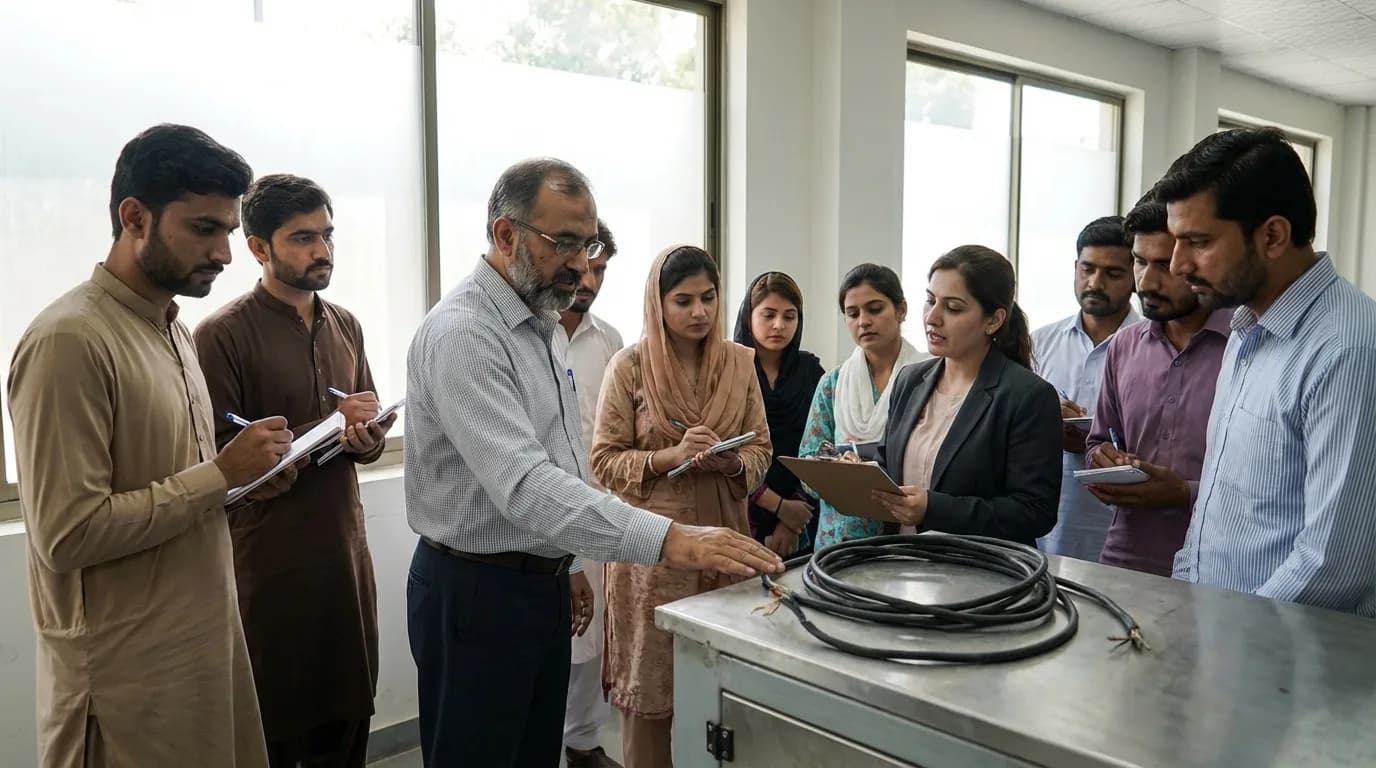
ICTQual Level 6 Diploma in Chemical Engineering
A comprehensive three-year, 360-credit qualification by ICTQual AB covering advanced chemical engineering principles including process design, thermodynamics, reaction engineering, and materials science for industry-ready professionals.
Course Features
The ICTQual Level 6 Diploma in Chemical Engineering offers a structured three-year programme with 360 credits, combining theoretical instruction, practical labs, industry placements, and a capstone project.
Awarding Body: ICTQual AB
Total Credits: 360 Credits
Duration: Three Years
Total Study Units: 36 Units across three progressive years
Assessment: Assignment-based assessment aligned to learning outcomes
Delivery: Theoretical instruction, practical activities, and industrial placement
About This Course
The ICTQual Level 6 Diploma in Chemical Engineering is a comprehensive, three-year programme designed for individuals seeking to advance their career in the field of chemical engineering. With a total of 360 credits, this qualification equips students with the knowledge, skills, and competencies required to excel in various roles within the industry. Whether building on existing qualifications or pursuing a new career path, this diploma provides a robust foundation for future success.
Covers 36 study units spanning three years of progressive learning
Integrates theoretical knowledge with hands-on practical activities
Includes an industrial placement to build real-world competency
Features a Capstone Project integrating skills from across the curriculum
Prepares graduates for advanced roles across multiple engineering sectors
Recognised qualification issued by ICTQual AB, an internationally operating awarding body
What You'll Learn
The programme delivers a broad set of learning outcomes across all 36 units, ensuring graduates possess both foundational and advanced chemical engineering competencies.
Understand core chemical engineering principles including thermodynamics, fluid mechanics, and reaction engineering
Apply material and energy balance techniques to analyse and optimise chemical processes
Design safe and efficient chemical processes and plants using industry-standard methods
Use process modelling, simulation software, and computational fluid dynamics (CFD) tools
Apply process safety, risk management, and environmental sustainability practices
Develop project management, professional, and research skills through capstone and placement work
Who Should Attend
This qualification is ideal for individuals who are passionate about chemistry, engineering, and problem-solving, and who wish to build or advance a professional career in chemical engineering.
Aspiring chemical engineers seeking advanced technical knowledge and a formal Level 6 qualification
Engineering graduates from related disciplines wishing to specialise in chemical engineering
Technicians and operators already working in the chemical, pharmaceutical, or energy industries
Professionals seeking formal recognition of their experience through an accredited qualification
Individuals looking to progress to postgraduate study or professional chartership (e.g., IChemE)
Career changers with a science or engineering background seeking entry into chemical engineering
Entry Requirements
Applicants are expected to meet the entry requirements set by ICTQual AB and the approved training centre, either through prior academic qualifications or relevant work experience.
A relevant Level 5 qualification in chemical engineering or a related engineering discipline, or equivalent academic background
Alternatively, candidates with a minimum of 6 years of verified work experience in chemical engineering or a closely related field may be eligible for the experiential route
Assessments
The ICTQual Level 6 Diploma in Chemical Engineering is assessed through a flexible, competency-based model with two recognised routes to certification.
Written assignments submitted by learners enrolled through the standard training route, testing understanding and application of each unit's learning outcomes
Practical activities and project work forming part of the hands-on and industrial placement components
Capstone Project requiring independent research or design integrating knowledge from across the full curriculum
Verification of workplace competence and experience for candidates applying through the recognised prior experience (RPE) route
Progression
Graduates of the ICTQual Level 6 Diploma in Chemical Engineering are well-positioned to progress to higher academic qualifications, professional membership, or senior industry roles.
Progress to a Level 7 Diploma or Master's-level qualification in chemical engineering or a related discipline
Apply for professional membership or chartership with the Institution of Chemical Engineers (IChemE)
Pursue advanced roles such as Senior Process Engineer, Chemical Plant Designer, or Process Safety Manager
Explore global career opportunities across pharmaceuticals, energy, food production, petrochemicals, and environmental engineering
Curriculum
- Core concepts and principles of chemical engineering
- History and fundamental applications of chemical engineering in industry
- First and second laws of thermodynamics applied to chemical processes
- Solving thermodynamic engineering problems
- Calculus, differential equations, and linear algebra for engineering applications
- Mathematical problem-solving techniques in chemical engineering contexts
- Fluid properties and behaviour
- Application of fluid flow principles to chemical engineering systems
- Material balance problems for chemical processes
- Energy balance problems considering inputs, outputs, and transformations
- Role of sensors, actuators, and controllers in managing chemical processes
- Basic concepts of process control systems
- Organic, inorganic, and physical chemistry principles
- Application of chemistry to solve industrial engineering problems
- Chemical reaction rates and equilibrium
- Basic principles of reaction engineering in simple processes
- Technical drawing development for chemical engineering systems
- Use of computer-aided design (CAD) software to create engineering models
- Communication, teamwork, and problem-solving in engineering contexts
- Professionalism and ethics in the workplace
- Fundamental principles of heat transfer and mass transfer
- Application of heat and mass transfer to simple engineering processes
- Integration of core chemical engineering principles
- Formation and understanding of chemical production systems
- Phase equilibrium and chemical reactions in complex thermodynamic systems
- Design of energy-efficient processes
- Conduction, convection, and radiation in chemical engineering systems
- Practical application of heat transfer principles
- Distillation, absorption, and filtration processes
- Application of mass transfer in separation technologies
- Process design techniques for efficient and safe chemical processes
- Design and optimisation of chemical reactors
- Application of chemical processes in industrial settings
- Materials, catalysts, and large-scale reaction management
- Systems thinking and engineering methods for chemical production
- Optimisation and simulation for efficiency and sustainability
- Fluid dynamics analysis in engineering systems
- Pipe design and pump operation for material transport
- Advanced reaction kinetics principles
- Reactor design and optimisation for industrial applications
- Environmental impact of chemical processes
- Sustainable practices to minimise pollution and optimise resource use
- Advanced control systems in chemical processing plants
- Automation technologies for maintaining optimal process conditions
- Use of simulation software to model chemical processes
- Predicting outcomes and improving process efficiency through simulation
- Properties and selection of materials used in chemical processes
- Consideration of durability, corrosion resistance, and thermal stability
- Design and implementation of advanced process control systems
- Distributed control systems (DCS) and real-time process monitoring
- Hazard identification in chemical processes
- Risk assessment techniques and accident prevention system design
- Design and analysis of chemical plants
- Integration of process flow, equipment selection, and safety protocols
- Green chemistry principles and renewable energy applications
- Reducing environmental impact through sustainable engineering practices
- Membrane filtration, distillation, and chromatography techniques
- Optimisation of separation processes in chemical production
- CFD software for modelling fluid flow and heat transfer
- Simulation of chemical reactions in complex engineering systems
- Properties and applications of advanced engineering materials
- New technologies including nanomaterials and their chemical engineering applications
- Optimisation techniques for improving process efficiency and cost-effectiveness
- Sustainability improvements through process optimisation methods
- Real-world experience in the chemical engineering industry
- Application of learned concepts and development of practical skills in a professional setting
- Independent research or design project integrating knowledge from across the curriculum
- Solving a complex engineering problem through an evidence-based approach
- Scheduling, budgeting, and coordinating multidisciplinary engineering teams
- Project management principles applied to chemical engineering projects
- Principles and applications of biochemical engineering
- Bioreactors, fermentation processes, and bioprocess design
Application Form
Apply Now For This Course
An adviser will review your eligibility for ICTQual Level 6 Diploma in Chemical Engineering and reply within 1–2 working days.
Course includes:
 LevelLevel 6
 Awarding bodyICTQual AB
 Lessons72
- CertificationYes

Related Diplomas
More courses in Chemical Safety that may suit a similar workplace role.
Featured Courses
Popular programmes professionals often explore next.