ICTQual Level 5 Diploma in Biotechnology Engineering
This advanced two-year, 240-credit diploma equips learners with in-depth knowledge and practical skills in biotechnology engineering, covering genetic engineering, bioprocessing, bioinformatics, and industrial biotechnology applications.
Course Features
The ICTQual Level 5 Diploma in Biotechnology Engineering is a 240-credit qualification delivered over two years, comprising 24 mandatory units that integrate theoretical instruction with laboratory practice and project-based assessments.
Two-year structured program worth 240 credits awarded by ICTQual AB
24 mandatory study units spanning Year 1 and Year 2
Blend of theoretical knowledge and hands-on laboratory training
Flexible delivery options including online, in-person, or blended learning
Industry-relevant curriculum aligned with current biotechnology practices
Dual certification route for both new learners and experienced professionals
About This Course
The ICTQual Level 5 Diploma in Biotechnology Engineering is a comprehensive and advanced qualification designed for individuals looking to build a career in the dynamic and growing field of biotechnology. This two-year program provides in-depth knowledge and hands-on experience in the application of biotechnology principles to engineering solutions, preparing students for leadership roles in sectors including healthcare, environmental management, and agriculture.
Advanced qualification combining biological sciences with engineering principles
Covers 24 units from molecular biology and genetics to professional practice
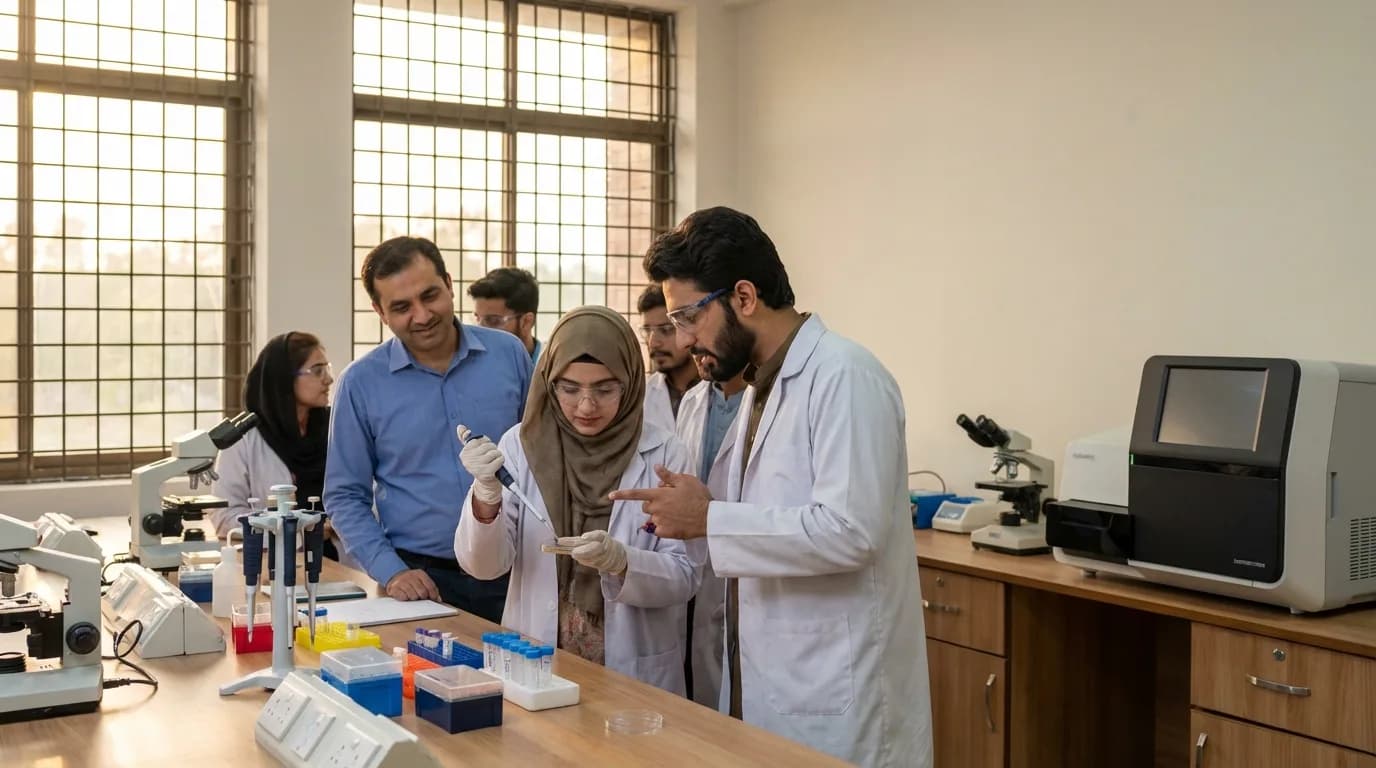
Emphasizes laboratory work, practical training, and project-based assignments
Prepares graduates for roles in research, development, and project management
Internationally recognized qualification awarded by ICTQual AB UK Ltd
Suitable pathway for progression to Level 6 diplomas or bachelor's degree programs
What You'll Learn
Upon successful completion of this diploma, learners will have achieved a comprehensive set of learning outcomes across all 24 mandatory units, equipping them with both scientific knowledge and practical engineering competencies in biotechnology.
Understand the fundamental concepts and diverse applications of biotechnology engineering across healthcare, agriculture, and environmental sectors
Analyze genetic material manipulation techniques including gene cloning, PCR, sequencing, and recombinant DNA technology
Gain proficiency in bioinformatics tools and techniques to interpret large-scale genomic and proteomic data sets
Apply bioprocessing, fermentation, and bioreactor design principles to optimize industrial biotechnological production
Evaluate the ethical, legal, and regulatory considerations surrounding biotechnological research and applications
Develop professional practice, career planning, communication, and leadership skills for the biotechnology sector
Who Should Attend
The ICTQual Level 5 Diploma in Biotechnology Engineering is designed for individuals who are eager to pursue or advance a career in the biotechnology field, whether they are new entrants or experienced professionals seeking formal certification.
Aspiring biotechnologists with a keen interest in biological sciences and engineering applications
Engineering professionals who wish to specialize in biotechnology or bioengineering disciplines
Science graduates with backgrounds in biology, chemistry, or related sciences seeking specialization
Career changers from other industries looking to transition into the biotechnology sector
Professionals in biotechnology-adjacent fields such as pharmaceuticals, healthcare, or agricultural engineering
Research enthusiasts interested in contributing to innovations in medicine, agriculture, and environmental science
Entry Requirements
Candidates must meet the following entry requirements to enrol in the ICTQual Level 5 Diploma in Biotechnology Engineering 240 Credits. Alternative pathways may be considered on a case-by-case basis for those with relevant industry experience.
A minimum of a Level 4 qualification or equivalent in a related field such as science, engineering, or a technical discipline, with a strong background in biology, chemistry, physics, or mathematics recommended
Learners must be at least 16 years old, and non-native English speakers must provide proof of English language proficiency
Assessments
The ICTQual Level 5 Diploma in Biotechnology Engineering consists of 24 mandatory assessments designed to evaluate learners' comprehension of course material and their capacity to apply concepts in practical situations. All assessments must be passed to achieve this qualification.
Written assignments based on each unit's learning outcomes
Practical laboratory-based assessments and project work
Internal quality assurance monitoring by qualified IQAs at approved training centres
External verification visits from ICTQual AB to ensure compliance with awarding body standards
Progression
Graduates of the ICTQual Level 5 Diploma in Biotechnology Engineering are well-positioned to pursue further education, specialized certifications, or enter the biotechnology workforce in a range of professional roles.
Progress to ICTQual Level 6 Diploma in Biotechnology Engineering or a bachelor's degree in biotechnology or related fields
Pursue specialized industry certifications in areas such as Good Manufacturing Practices, Clinical Research, or Bioinformatics
Enter the biotechnology workforce in roles such as Biotechnology Researcher, Bioprocess Engineer, Quality Control Analyst, or Regulatory Affairs Specialist
Launch biotechnology startups or consultancies focused on product development, environmental sustainability, or innovative medical therapies
Curriculum
- Fundamental concepts and scope of biotechnology engineering
- Applications of biotechnology across healthcare, agriculture, and environmental sustainability
- Role of biotechnology in addressing global challenges including disease management and food security
- Overview of biotechnology industry sectors and career pathways
- DNA replication, transcription, and translation mechanisms
- Gene expression and regulation
- Gene cloning techniques and polymerase chain reaction (PCR)
- DNA sequencing methods and genetic analysis
- Key biochemical pathways and molecular interactions
- Enzyme structure, function, and kinetics
- Metabolic pathways relevant to biotechnology
- Application of biochemistry concepts to biotechnological problem-solving
- Cell structure, function, and cellular processes
- Cell culture techniques and tissue engineering
- Production of biologics and regenerative medicine
- Implications of cell biology in biotechnological processes
- Introduction to bioinformatics tools and databases
- Genomic and proteomic data analysis techniques
- Sequence alignment and molecular modeling
- Interpretation of large-scale biological data sets for research applications
- Principles of fermentation and bioreactor operations
- Cell culture techniques for industrial applications
- Scale-up and optimization of biotechnological processes
- Downstream processing and product recovery
- Recombinant DNA technology principles and techniques
- Genetic modification of organisms for various applications
- Gene editing tools and methodologies
- Ethical, regulatory, and practical implications of genetic engineering
- Operation and maintenance of essential laboratory equipment
- Analytical instrumentation used in biotechnology research
- Diagnostic tools and industrial production equipment
- Calibration and quality checks for biotechnology instruments
- Laboratory safety protocols and hazard management
- Good laboratory practices (GLP) and standard operating procedures
- Quality control principles in biotechnological research and production
- Regulatory compliance and documentation in laboratory settings
- Microbial fermentation processes and applications
- Pathogen control and antibiotic development
- Use of microorganisms in industrial biotechnology
- Production of biofuels, pharmaceuticals, and bioproducts using microbial systems
- Gene editing and cloning in plant and animal systems
- Transgenic organisms and their applications
- Impact of biotechnology on agriculture and medicine
- Ethical considerations in plant and animal genetic modification
- Role of biotechnology in industrial production processes
- Biofuels, biochemicals, and pharmaceutical manufacturing
- Economic and environmental benefits of industrial biotechnology
- Biomanufacturing scale-up and commercialization strategies
- Fundamentals of biostatistics and probability
- Experimental design principles for biotechnological research
- Statistical methods for data analysis and validation
- Application of statistical tools to ensure reliability of research results
- Biotechnology applications in waste treatment and bioremediation
- Sustainable resource management using biotechnological methods
- Environmental impact assessment of biotechnological processes
- Biotechnological solutions for pollution control and waste reduction
- Ethical frameworks for biotechnological research and applications
- Legal and regulatory landscape governing biotechnology
- Debates on genetic modification, biotechnology patents, and public health
- Responsible conduct of research and ethical decision-making
- Enzyme kinetics and reaction engineering
- Mass transfer principles in biological systems
- Bioreactor design, operation, and scale-up
- Optimization of biotechnological production processes
- Protein design and modification techniques
- Bacterial, yeast, and mammalian expression systems
- Recombinant protein production and purification
- Applications of engineered proteins in biotechnology
- Principles and types of fermentation processes
- Fermentation for biofuels, pharmaceuticals, and food products
- Optimization of fermentation parameters for maximum yield
- Monitoring and control of fermentation operations
- Process monitoring techniques and sensor technologies
- Control strategies for biotechnological manufacturing
- Process modeling and simulation methods
- Enhancing efficiency, product quality, and process stability
- Role of biotechnology in drug discovery and development
- Biopharmaceutical manufacturing processes
- Development of new therapies for cancer, diabetes, and infectious diseases
- Clinical trials and regulatory approval for biotechnology-derived drugs
- Genetically modified crops and animal products
- Biotechnological improvements to agricultural practices
- Food safety, quality, and nutritional enhancement through biotechnology
- Benefits and challenges of agricultural biotechnology for food security
- Bioremediation techniques and applications
- Waste-to-energy processes using biotechnological methods
- Eco-friendly disposal and recycling using biological systems
- Environmental and economic advantages of biotech-based waste management
- R&D process from concept generation to product commercialization
- Planning, executing, and evaluating biotechnological research projects
- Laboratory-based and fieldwork research methodologies
- Innovation management and intellectual property in biotechnology
- Career planning and professional development strategies
- Communication, leadership, and teamwork skills for the biotechnology sector
- Ethical responsibilities and industry standards in professional practice
- Regulatory requirements and compliance in the biotechnology profession
Application Form
Apply Now For This Course
An adviser will review your eligibility for ICTQual Level 5 Diploma in Biotechnology Engineering and reply within 1–2 working days.
Course includes:
 LevelLevel 5
 Awarding bodyICTQual AB
 Lessons96
- CertificationYes

Related Diplomas
More courses in Biotechnology Engineering that may suit a similar workplace role.


Featured Courses
Popular programmes professionals often explore next.